
-
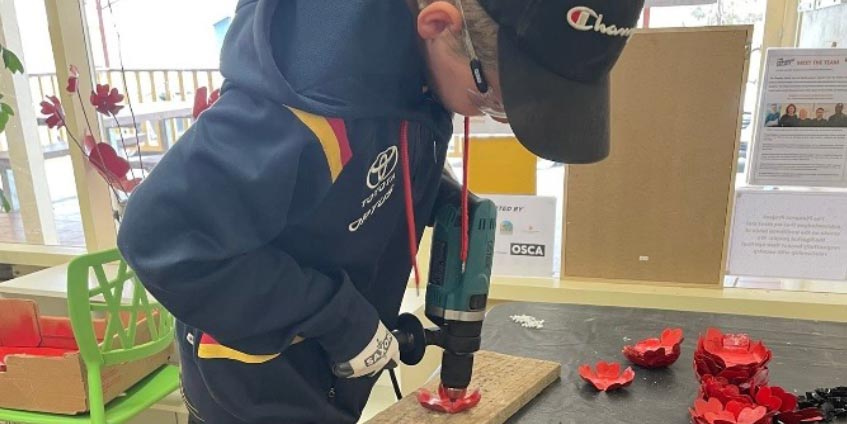 Preparing Metalwork Poppies for community soldiers memorial
 -
 Flinders University Student Nurse Jamie Culross conduction health assessments in the Pinnaroo Library.


Pinnaroo, nestled in the Murray Mallee region of South Australia, lies about 243 km east of Adelaide and just 6.5 km from the Victorian border. This town, which sits on the traditional lands of the Ngarkat people, was first settled by Europeans in 1869. Its name, meaning "big man" in the Ngarkat language, reflects its significant role as a regional center for agriculture. Today, Pinnaroo is home to approximately 768 residents, with a broader community of 2,223 people including nearby areas like Lameroo, Parilla, and Murrayville.
The town is recognized for its vibrant farming community, specializing in wheat, barley, sheep, and mixed farming, including potatoes, which have been a major produce since the 1990s. In 2020, Pinnaroo's innovative spirit was honored when it was named Ag-Town of the Year.
Despite its accolades, Pinnaroo faces challenges due to its remoteness. Local health services are sparse, with only two part-time general practitioners, a nurse-run hospital offering emergency and aged care services, and a pharmacist available for just three half-days per week. Over the years, the town has also dealt with the impacts of drought, bushfires, migration shifts, and the COVID-19 pandemic.
In response to these challenges, the community, alongside the Mallee Arts Group, initiated The Pinnaroo Project. This arts and cultural engagement initiative aims to enhance health and wellbeing in an area where medical resources are limited. By collaborating with experts from Flinders University's Caring Futures Institute and the Global Arts in Health Alliance, the project not only seeks to improve community health but also to establish a model for similar initiatives elsewhere.
During its first three years, The Pinnaroo Project has brought an array of creative workshops and cultural activities to the region, hosting more than 120 events. Participants have reported profound benefits, from stress relief and social connection to the development of new skills. The feedback has been overwhelmingly positive, highlighting an enhanced quality of life and increased community engagement in arts.
The results have been striking: the project led to significant health improvements, including lower rates of moderate to severe depression, reduced smoking rates, and better dietary habits among adults and children. Economically, the project demonstrated a substantial return on investment, with every dollar spent generating $2.30 in community benefits.
Buoyed by these successes, The Pinnaroo Project is now seeking permanent funding to make community art a staple of a healthy lifestyle in the Mallee region, proving that even in the most remote areas, creativity can be a powerful tool for health and wellbeing.
The Pinnaroo Project website: https://thepinnarooproject.com.au
The Pinnaroo Project Facebook page: https://www.facebook.com/thepinnarooproject
Add new comment