

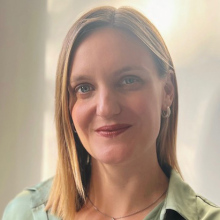
A bilingual health educator conducting a session outdoors.


Migrant and refugee communities in rural and regional Australia face significant challenges in accessing health services. These challenges include language barriers, limited availability of culturally responsive services, and a lack of access to interpreter services. Financial constraints and a lack of information on preventative health further exacerbate these issues. These barriers collectively hinder their ability to engage with the healthcare system and achieve optimal health outcomes. However, a national initiative has been working to respond to these inequities.
The Health in My Language (HIML) program is led and coordinated by the Multicultural Centre for Women’s Health (MCWH) to improve health literacy and access to evidence-based health information for migrant and refugee communities. Funded by the Department of Health and Aged Care and in partnership with organisations across each state and territory of Australia (Red Cross, STARTTS, True Relationships and Reproductive Health (True), Women’s Health Matters, and Ishar Multicultural Women’s Health Services Inc.), the program offers free health education sessions in over 30 languages. Sessions are run by bilingual health educators who provide evidence-based health information, either in-person or online, in a peer learning environment. Since 2022, the program has reached over 50,000 migrants and refugees in Australia, providing information on COVID-19, cancer screening, and sexual and reproductive health topics.
A workforce of over 80 bilingual health educators have been trained in an intersectional approach, recognising how social determinants shape gendered health experiences.
The program ensures that migrants living far from urban centres receive evidence-based health information and education in their preferred language and supports them to make informed decisions. Sessions are delivered across widely dispersed geographical areas, including Bordertown and Mount Barker in SA, Albany and Margaret River in WA, Mareeba in QLD, and Palmerston and Darwin in NT.
A powerful example of HIML’s impact in a regional area was demonstrated in Mareeba: True in collaboration with local service providers, Pacific Australia Labour Mobility (PALM) scheme-approved employers, and other stakeholders ran the PALM Worker Wellness Event.
At this event, attended by over 350 PALM workers representing seven employers from across the region, ten health education sessions on sexual and reproductive health topics were conducted. Separate men’s and women’s spaces were designated for the sessions and were delivered in Bislama (Vanuatu), Tok Pisin (PNG), Pijin (Solomon Islands), Samoan and easy English.
Free resources were also provided including condoms, lubricant, and menstrual products. One participant stated:
“I’ve learnt a lot of new things... Everything I’ve learnt today will eventually help me a lot during the future...”
The positive impact of HIML is demonstrated through feedback from participants in other regional locations. As one session participant in Darwin put it:
“This session has helped me understand my body better. Back in my home country, we never talked about these topics…Now, I realise how important it is to have these conversations.”
The sessions spark honest conversations among attendees, who reflect on their existing health knowledge. Participants often acknowledge the importance of fostering open communication and commit to initiating conversations about health with their children.
Reflecting on HIML’s impact in the Darwin region, Red Cross Senior State Manager Sabeeha Nihad stated:
“For many participants, HIML sessions are not just educational; they are transformational. They provide access to life-changing information that participants otherwise wouldn’t have, allowing them to take control of their health with confidence.”
Program evaluations strongly suggest the program empowers individuals to become advocates for better health outcomes within their families and communities.
With growing demand, there is an identified the need to continue the program in more regional and rural communities. By removing barriers to essential health information, the Health in My Language Program and its trained bilingual health educator workforce are driving meaningful change in under-resourced areas across Australia.
Add new comment