
-
 Deborah Bonar and delegates painting
 -
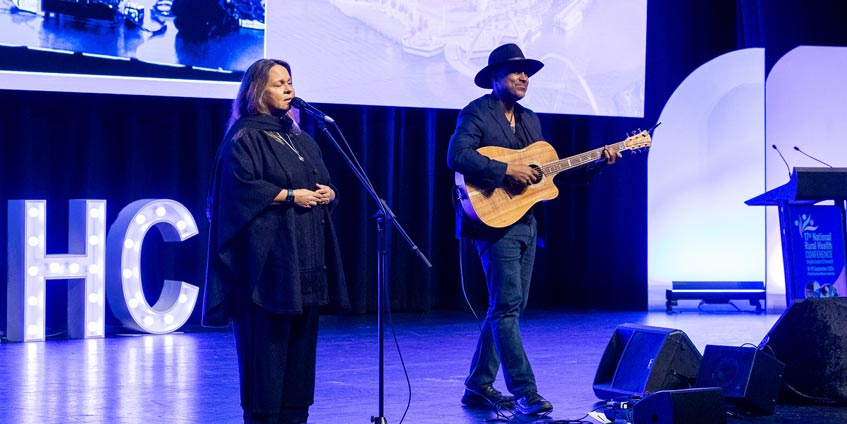 Noongar Opera, Gina Williams and Guy Ghouse
 -
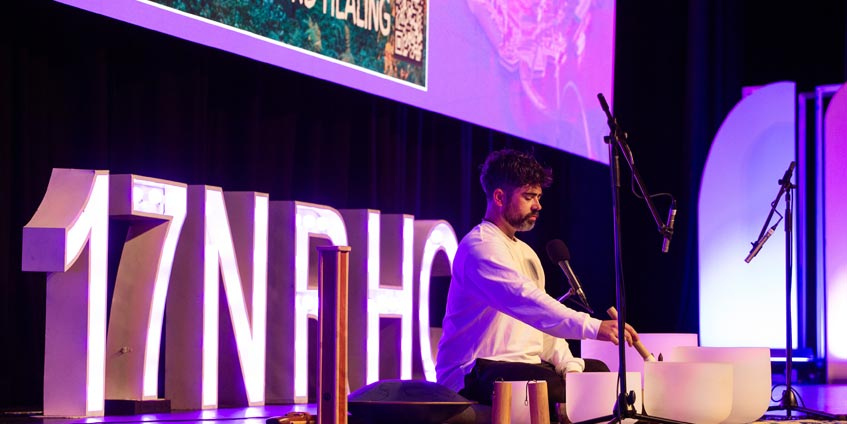 Luke Kalani’s sound healing session


Welcome to this special edition of Partyline, where we shine a spotlight on the powerful role of the arts in enhancing health and well-being, particularly in rural and remote communities across Australia. After seeing the incredible creativity and healing power that unfolded during the recent 17th National Rural Health Conference, it’s clear that this is a timely and essential topic to explore.
In this issue, we take a deep dive into how artistic expression can support mental, physical, and emotional well-being in ways that are both innovative and deeply rooted in community. The stories featured here illustrate the transformative power of arts in health – from creative workshops that support young people dealing with trauma to music therapy programs that improve the mental health of isolated individuals.
One standout story focuses on a groundbreaking initiative in Far North Queensland that uses creative storytelling to help children recover from the trauma of Tropical Cyclone Jasper. The program, "Kuku Bakal Kaykayanda (Giving Words to All the Children)," brings together local artists and healthcare professionals to provide a safe, creative space for children to process their experiences and build resilience. It's a beautiful example of how artistic projects can bring about healing in rural areas affected by natural disasters, where access to mental health services can be limited.
Another story delves into a unique art therapy program designed for people living with chronic illnesses in regional areas. Through painting and other creative outlets, participants are finding new ways to cope with the challenges of their conditions, fostering a sense of community and reducing isolation. Programs like this, and other arts events like Arts in the Sticks in the Limestone Coast, SE SA and other activities around rural Australia, illustrate how creativity can become a lifeline, not only providing therapeutic benefits but also giving people a sense of connection and control over their well-being.
At the 17th National Rural Health Conference in Perth, arts and health definitely played a prominent role. The Arts & Health stream was one of the highlights of the event, showcasing the healing potential of artistic engagement through performances such as the Noongar opera, which beautifully intertwined traditional culture and modern health discourse. Additionally, performances like the Activate Seedlings Choir and sound healing with Luke Kalani, provided conference attendees with a chance to refresh post-gala dinner whilst highlighting how arts can play an integral role in mental and emotional health and well-being.
This edition also highlights innovations in rural health workforce development, including stories about how community-led initiatives are tackling the ongoing challenges of attracting and retaining healthcare professionals in remote areas. The examples shared demonstrate the resilience and creativity of rural communities, who are finding local solutions to the national issue of healthcare access.
As we move forward, it's clear that the arts will continue to play a vital role in shaping the future of rural health. From fostering mental health to building stronger community ties, the integration of creativity into health practices offers a pathway to more holistic, person-centred care. I encourage you to explore the articles in this issue, reflect on the ways that arts and health intersect in your own life and work, and think about how we can all contribute to a healthier, more vibrant future for rural Australia.
Thank you for being part of this journey, and I look forward to continuing the conversation with you as we work together to build healthier rural communities.
Add new comment