
-
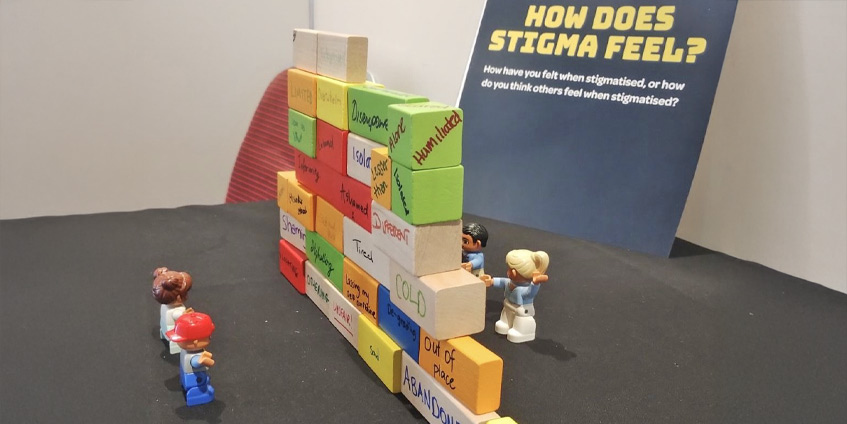 Stigma creates a wall
 -
 Mask
Mask



Stigma—the negative attitudes, assumptions, and stereotypes that devalue people—can weigh heavily on individuals facing challenges related to mental health, substance use, economic hardship, and more. In rural communities, where resources are often stretched thin, this stigma can cut even deeper, acting as a powerful social determinant of health.
Yet, very little is known about how rural young people, aged 15 to 25, who have parents with mental health challenges, actually experience this intersectional stigma. Out of a collaboration between international researchers, a specialist mental health service, Satellite Foundation, and young people from Gippsland, the StigmaBeat Project was born.
In this innovative, participatory project, young people played a central role in co-designing a series of short films meant to challenge mental health stigma from the inside out. The project didn’t just study stigma—it actively intervened. Through a co-design approach, the team harnessed the lived experiences of young participants to reshape the way health services and policies address stigma. Their creative input, supported by trauma-informed practices, became the backbone of the films and the physical spaces where they were developed.
Over two intensive weekend workshops, co-facilitated by peer leaders, participants engaged in surveys, shared field notes, and even took photographs while discussing their experiences. Analyzing this rich tapestry of data through the lens of epistemic injustice revealed two striking insights: first, that stigmatising experiences often left these young people feeling unheard and undervalued; and second, that having their stories minimised or dismissed stripped them of the language needed to express their pain.
For many, the films became more than just a creative exercise—they emerged as powerful counter-narratives, challenging dominant, stigmatising discourses about mental health, age, sexuality, gender, and socioeconomic status. A year later, the project evolved further. Researchers re-engaged with several original participants to co-design an advocacy and education workshop featuring the films. This new initiative aims to break down stigma in the very settings where it thrives—from family and community spaces to schools, GP clinics, and emergency departments.
Preliminary findings are promising. Through narrative interviews with six of the original 18 young people, the project uncovered stories of normalisation, support, and empowerment. Participants reported not only a shift in how they viewed their own experiences of marginalisation, but also improvements in family dynamics and social relationships—demonstrating the transformative potential of co-design in addressing social determinants of health.
By putting the voices of rural youth at the center, StigmaBeat is challenging us to rethink how we talk about and tackle stigma—and in doing so, it paves the way for a more inclusive approach to mental health in rural communities.
Add new comment